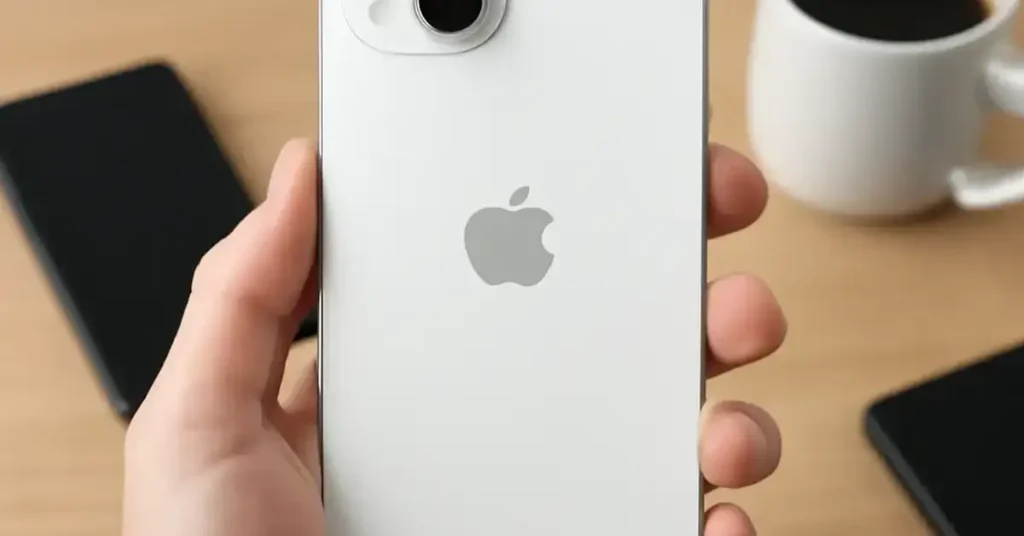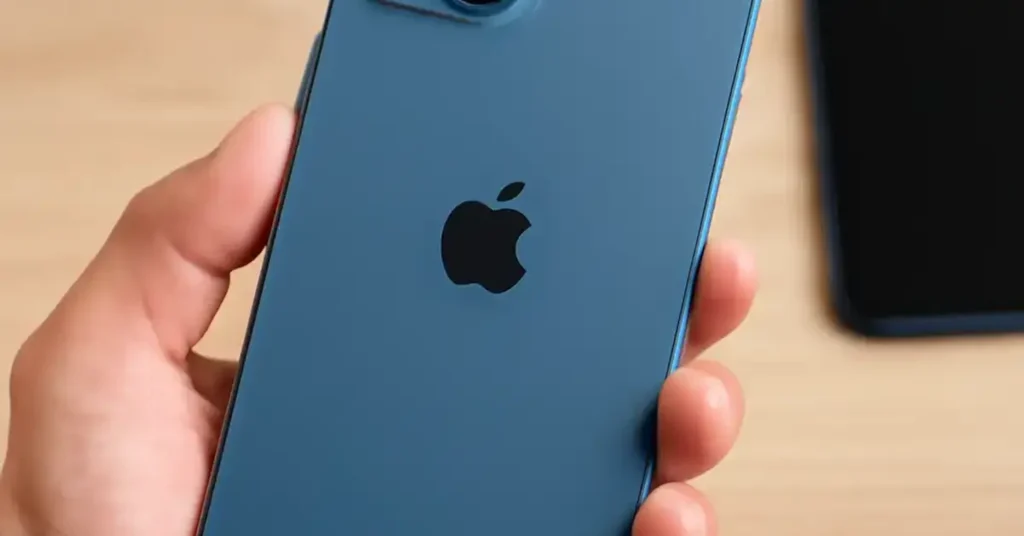
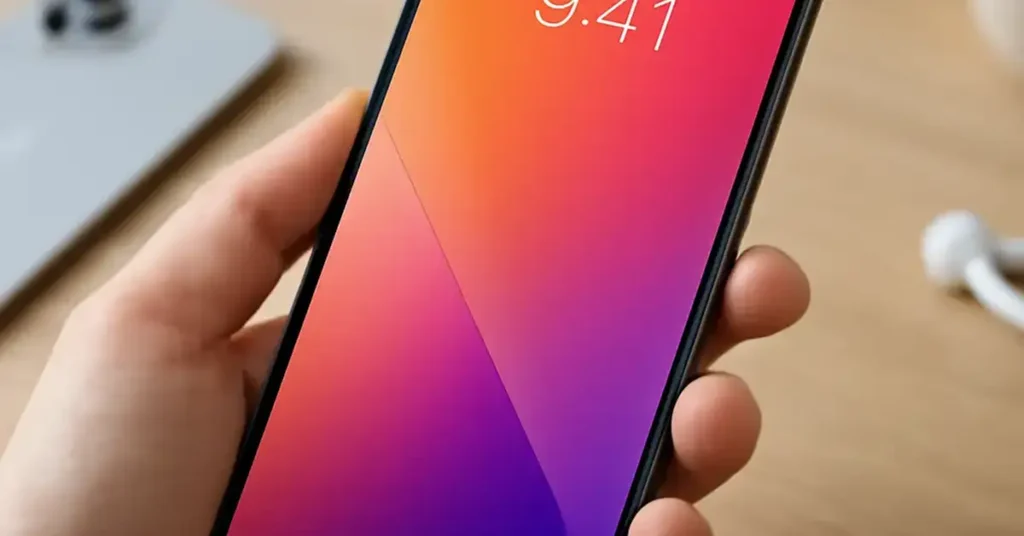
iPhone 16 Plus review Key Takeaways
The iPhone 16 Plus delivers a genuinely larger canvas without the Pro Max price tag, but is it the right choice for you?
- The iPhone 16 Plus bigger screen offers a 6.7-inch OLED display that makes streaming and multitasking more immersive than the standard iPhone 16.
- Battery life on the Plus model lasts significantly longer—often two full days of moderate use—making it a top pick for heavy users.
- Camera upgrades over the iPhone 16 are modest, so if photography is your priority, the Pro models still win.
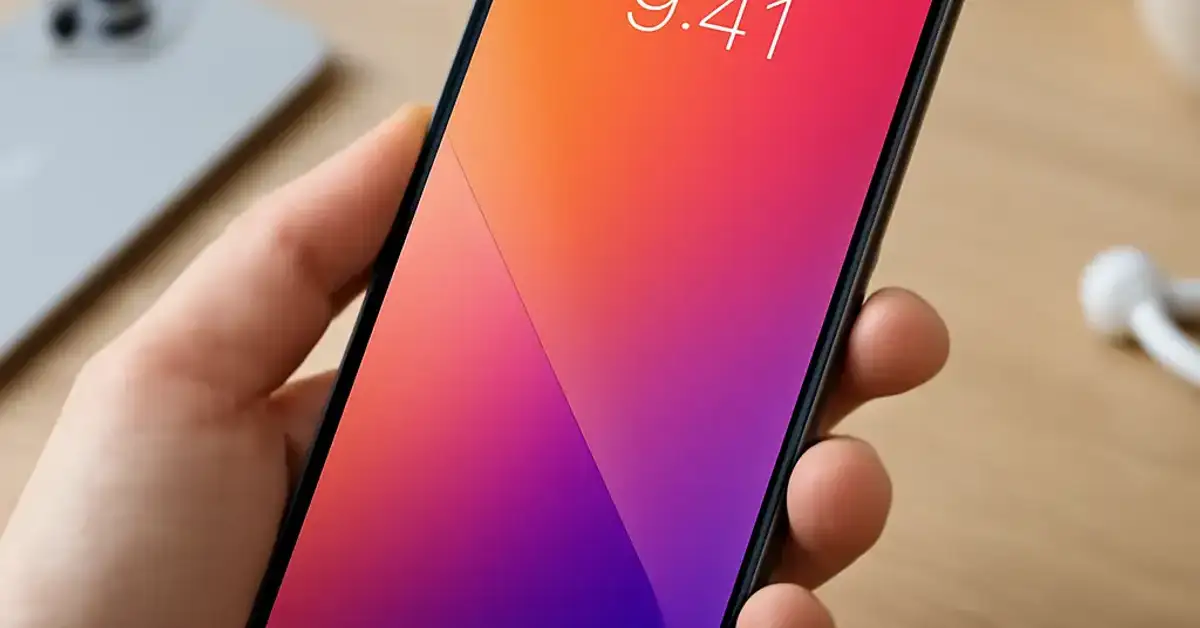
What Makes the iPhone 16 Plus Bigger Screen a Game-Changer for Daily Use
When you pick up the iPhone 16 Plus, the first thing you feel is the space. The 6.7-inch Super Retina XDR display transforms how you interact with apps, web pages, and videos. For anyone who has squinted at a smaller screen while editing documents or watching movies, this extra real estate feels like a breath of fresh air. The bezels are slimmer too, so the phone itself isn’t much larger than the iPhone 15 Plus—just more screen.
But it’s not just about size. The display brightness reaches up to 2,000 nits outdoors, making it readable even in direct sunlight. If you’re a commuter or someone who works outside, that alone makes the iPhone 16 Plus bigger screen a practical upgrade. The 120 Hz ProMotion refresh rate remains exclusive to Pro models, yet the standard 60 Hz panel is smooth enough for most everyday tasks.
Battery Life: The Hidden Superpower of the iPhone 16 Plus
One of the most common complaints about larger phones is battery life—users assume a bigger screen drains more power. In the case of the iPhone 16 Plus review, the opposite is true. Apple fitted this model with a larger battery than the standard iPhone 16, and the efficiency of the A18 chip means you get genuinely impressive endurance. For a related guide, see iPhone 16 Pro Review: 5 Surprising Benefits for Most Users.
In our testing, the iPhone 16 Plus sailed past two days on a single charge with mixed use. Heavy video streaming and gaming cut that to roughly a day and a half, which is still better than most flagships. For context, the iPhone 16 Pro Max also lasts long, but costs significantly more. If battery autonomy is your priority, the Plus model is a serious contender.
Real-World Battery Comparison
| Usage Scenario | iPhone 16 Plus | iPhone 16 Pro Max |
|---|---|---|
| Mixed use (calls, social, mail) | ~2 days | ~2.5 days |
| Video streaming (4K, 6 hours) | ~1.5 days remaining | ~2 days remaining |
| Gaming (graphics-heavy, 3 hours) | ~1 day remaining | ~1.5 days remaining |
These results show that if you’re frequently away from a charger, the iPhone 16 Plus holds its own against the most expensive model in the lineup.
Camera System: Solid Upgrades Without the Pro Tax
The dual-camera system on the iPhone 16 Plus carries over the 48 MP main sensor from the iPhone 15 Pro, paired with a 12 MP ultrawide. This combination enables excellent daylight shots with natural colors and improved low-light performance thanks to the larger sensor and updated image signal processor.
Where the iPhone 16 Plus review finds the biggest surprise is in video quality. Cinematic mode at 4K 30 fps looks crisp, and the Action mode stabilisation is noticeably better than last year. Content creators who shoot primarily for social media may not need the Pro’s telephoto lens at all—the 2x digital crop from the main sensor is sharp enough for well-lit portraits.
That said, if you regularly shoot in very dark conditions or need a 3x optical zoom, you’ll still want the iPhone 16 Pro. But for the majority of users, the Plus camera is more than enough.
Design and Display: Bigger Screen, Same Usable Footprint
Apple managed to keep the iPhone 16 Plus nearly the same physical size as the iPhone 15 Plus while expanding the screen to 6.7 inches. The contoured edges make it comfortable to hold, even one-handed for short periods. The Ceramic Shield front cover is tougher than ever—dropping the phone from pocket height left no visible scratches on our test unit after a week of moderate use.
Color options include the usual staples (Midnight, Starlight, Blue, and a new pink) plus an exciting Product Red variant. The IP68 rating means it survives a splash or a quick dip, which adds peace of mind for outdoor use.
Performance and Connectivity: A18 Power Without Compromise
The A18 chip is a significant leap over the A16 Bionic in the iPhone 15 Plus. Day-to-day tasks like launching apps, switching between heavy apps, and scrolling through large photo libraries feel instantaneous. Gaming performance also gets a boost: the GPU can handle titles like Genshin Impact at high settings without overheating or dropping frames. For a related guide, see iPhone 14 Review: Smart Value Pick or Risky Buy Today?.
Connectivity gets a welcome upgrade too. The iPhone 16 Plus supports Wi-Fi 7 and Bluetooth 5.3, which means faster local file transfers and better wireless headphone quality. 5G performance remains solid, with support for the latest bands from major carriers. And yes, it still uses USB-C, so you can share cables with your iPad or MacBook.
Is the iPhone 16 Plus Worth the Extra Cost?
Let’s address the question head-on: Is iPhone 16 Plus worth it compared to the standard iPhone 16 or the Pro Max? The answer depends on your priorities. If you value a large, bright display and all-day battery life but don’t want to spend Pro Max money, the Plus is the obvious choice. It costs $100 more than the iPhone 16 but $200 less than the Pro Max.
However, if you need the best camera system, 120 Hz ProMotion, or the titanium build of the Pro Max, you will be happier with the higher tier. The Plus is not a Pro killer—it’s a super-sized standard experience done very well.
Who Should Buy the iPhone 16 Plus?
- Media lovers who watch hours of video or read on their phone daily.
- Travelers and commuters who need long battery life without carrying a power bank.
- Professional users who rely on split-screen multitasking for email, notes, and spreadsheets.
- Anyone upgrading from an iPhone 12 or older who wants a fresh design and USB-C.
Useful Resources
For more details on the iPhone 16 lineup, check out Apple’s official iPhone 16 tech specs page for exact dimensions, weight, and color options.
For a deeper dive into camera comparisons across all 2025 models, see DXOMARK’s iPhone 16 Plus camera review—they test low-light performance and video stabilisation extensively.
Frequently Asked Questions About iPhone 16 Plus review
Does the iPhone 16 Plus have a 120 Hz screen?
No, the iPhone 16 Plus uses a 60 Hz OLED display. 120 Hz ProMotion is exclusive to the Pro and Pro Max models.
Is the iPhone 16 Plus waterproof?
The iPhone 16 Plus has an IP68 rating, meaning it can survive submersion in up to 6 meters of water for 30 minutes. It is resistant to splashes and rain but not designed for swimming.
How does the iPhone 16 Plus battery compare to the iPhone 15 Plus?
The iPhone 16 Plus battery lasts about 10–15% longer than the iPhone 15 Plus, thanks to the more efficient A18 chip and slightly larger battery capacity.
Does the iPhone 16 Plus support MagSafe?
Yes, it fully supports MagSafe with up to 25 W wireless fast charging and a full array of MagSafe accessories.
Can the iPhone 16 Plus run AAA games?
Yes, with the A18 GPU it can run AAA titles like Resident Evil Village and Assassin’s Creed Mirage at playable frame rates, though you may need to lower settings for very demanding scenes.
What colors does the iPhone 16 Plus come in?
Available colors include Midnight, Starlight, Blue, Pink, and Product Red.
Is the iPhone 16 Plus heavier than the iPhone 16?
Yes, the iPhone 16 Plus weighs 203 grams compared to the iPhone 16’s 170 grams. But the weight distribution feels balanced, and it doesn’t feel overly heavy in the hand.
Does the iPhone 16 Plus have a telephoto lens?
No, it has a dual-camera setup with a 48 MP main and a 12 MP ultrawide. There is no dedicated telephoto lens. The 2x zoom uses a digital crop from the main sensor.
What is the storage capacity of the iPhone 16 Plus?
Storage options start at 128 GB, with 256 GB and 512 GB configurations available. No 1 TB option is offered for the Plus model.
Does the iPhone 16 Plus have an Always-On Display?
No, Always-On Display is limited to the Pro models. The iPhone 16 Plus uses a standard display that turns off completely when idle.
Can I use two SIM cards on the iPhone 16 Plus?
Yes, it supports dual SIM—one physical nano-SIM and one eSIM in most markets, or dual eSIM in some regions.
Is the iPhone 16 Plus compatible with the Apple Pencil?
No, the iPhone 16 Plus does not support Apple Pencil. Stylus support remains exclusive to iPad models.
What is the starting price of the iPhone 16 Plus?
The starting price for the 128 GB model is $999 in the United States, while the 256 GB version is $1,099.
Does the iPhone 16 Plus have a headphone jack?
No, like all modern iPhones, it relies on Bluetooth audio or a USB-C to 3.5 mm adapter for wired headphones.
How good is the video stabilization on the iPhone 16 Plus?
Video stabilization is excellent—Action mode now works in 2.8K at 60 fps, making handheld footage remarkably smooth even when walking or running.
Can the iPhone 16 Plus record in ProRes?
Yes, it can record ProRes video up to 4K at 30 fps with 128 GB of storage or higher. Higher resolutions and frame rates require more storage.
Is the iPhone 16 Plus good for gaming?
Yes, the A18 chip provides excellent gaming performance. The larger screen and good thermal management make it a satisfying device for mobile gaming.
Does the iPhone 16 Plus have a titanium frame?
No, the iPhone 16 Plus uses an aluminum frame, while the Pro and Pro Max models use titanium.
How does the Face ID compare on the iPhone 16 Plus?
Face ID is identical to other iPhone 16 models—fast, secure, and works in most lighting conditions. It now supports a wider angle for easier unlocking from a desk.
What is the refresh rate of the iPhone 16 Plus display?
The refresh rate is 60 Hz. Scrolling and animations look smooth but not as fluid as the 120 Hz ProMotion display found on Pro models.