iPhone 15 2026 review Key Takeaways
Two years after launch, the iPhone 15 2026 review reveals a smartphone that still competes well in most areas, though it now faces stiff competition from newer models and Android flagships.
- The iPhone 15 2026 review confirms strong day-to-day performance thanks to the A16 Bionic chip, even in 2026.
- Battery life holds up well after two years of software updates, though heavy users may notice some degradation.
- USB-C adoption and the Dynamic Island keep the iPhone 15 feeling modern, but the 60 Hz display and 128 GB base storage feel dated against 2026 competitors.
What Makes the iPhone 15 Worth Considering in 2026?
When Apple launched the iPhone 15 in late 2023, it introduced several firsts: a USB-C port, the Dynamic Island on a standard model, and a 48-megapixel main camera. Fast forward to 2026, and the smartphone landscape has evolved rapidly. Android flagships now boast 200 MP cameras, foldable screens, and AI-driven features, while Apple itself has released the iPhone 16 and 17 lines. So where does the iPhone 15 2026 review leave this two-year-old device?
For many users, the iPhone 15 still delivers a polished experience. Its A16 Bionic chip handles everyday tasks, gaming, and streaming with ease. iOS 20 continues to support the device, and the build quality remains premium. However, trade-offs like the 60 Hz display and lack of telephoto lens may push some buyers toward newer alternatives. For a related guide, see iPhone 14 Review: Smart Value Pick or Risky Buy Today?.
Design and Display: A Familiar Yet Functional Look
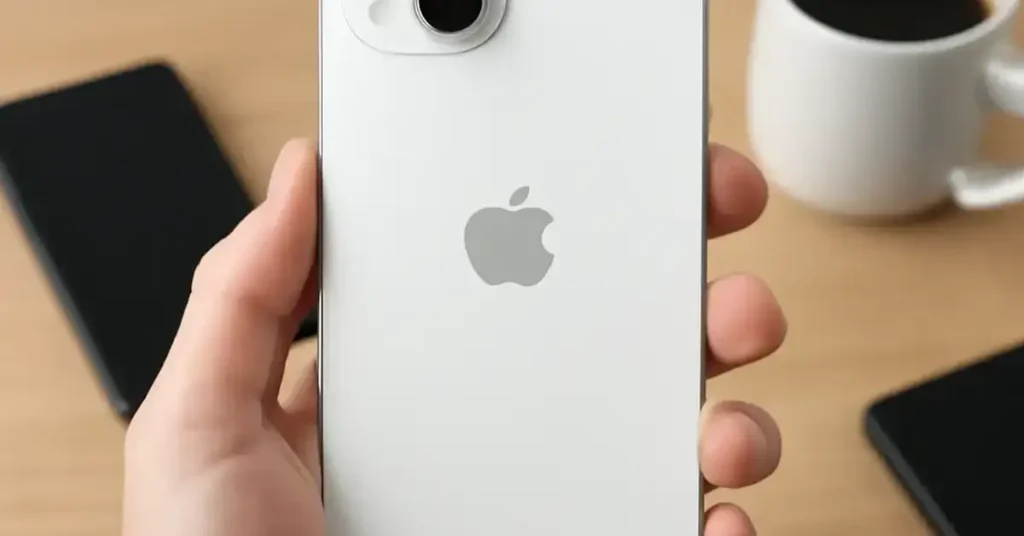
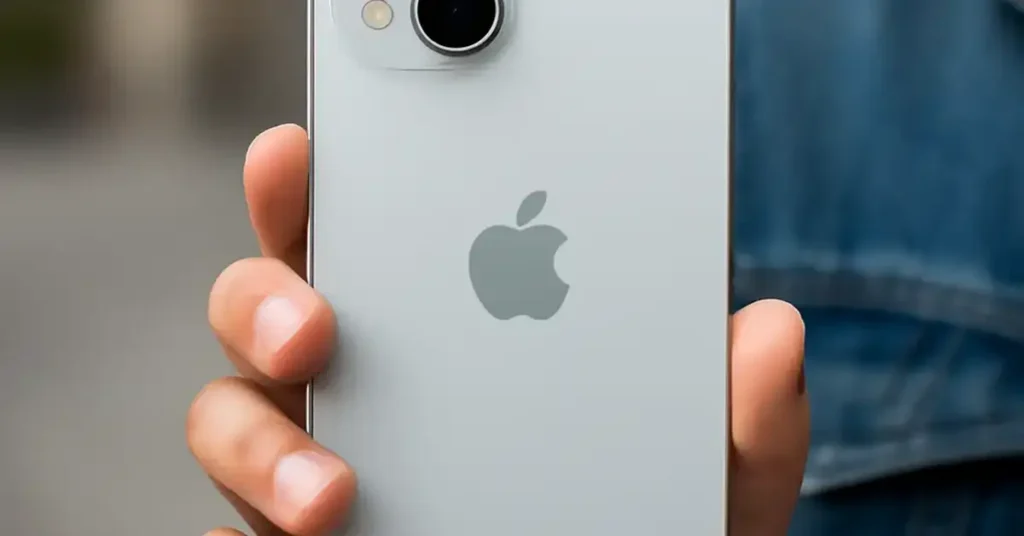
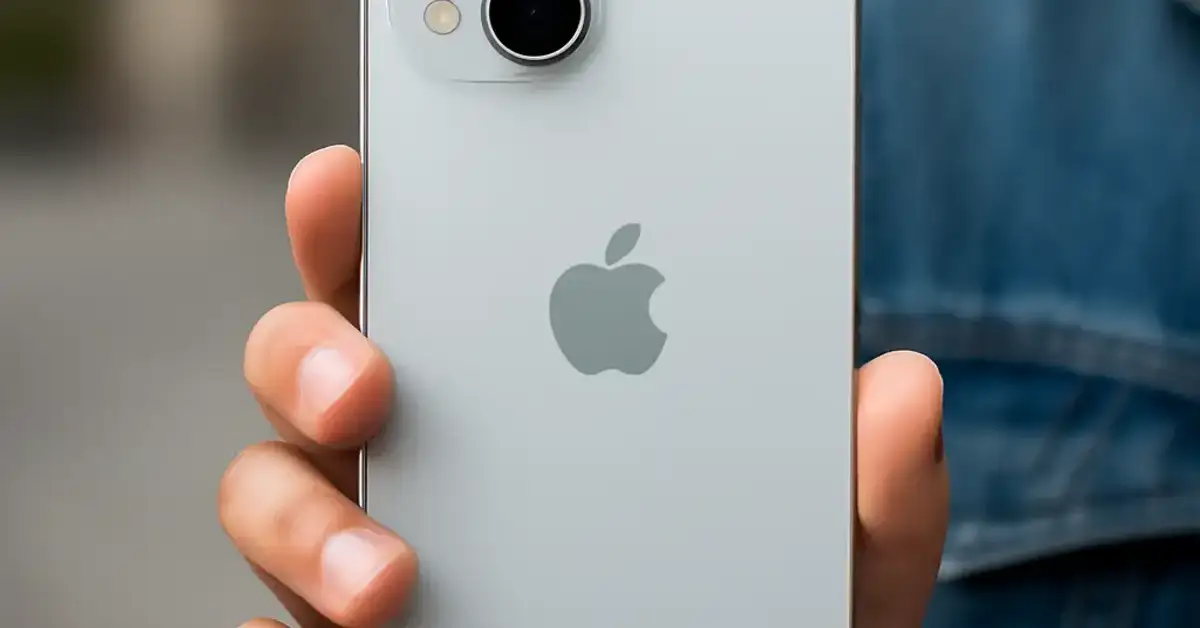
The iPhone 15 retains the flat-edge design introduced with the iPhone 12, but swaps the notch for the Dynamic Island — a feature that still feels fresh in 2026. The aluminum frame and color-infused glass back give it a solid, lightweight feel. At 6.1 inches, the Super Retina XDR OLED display delivers excellent color accuracy and peak brightness of 2,000 nits outdoors. The main drawback remains the 60 Hz refresh rate. In a world where 120 Hz is standard even on mid-range Android phones, scrolling and animations feel less fluid.
Durability and Everyday Use
The Ceramic Shield front cover and IP68 water resistance mean the iPhone 15 survives drops and splashes well. After two years of real-world use, reports indicate the glass holds up admirably. The USB-C port supports USB 2.0 speeds, which is fine for charging and syncing but slower than the Thunderbolt speeds on Pro models. Overall, the design still looks modern, though matte-finish cases can help hide inevitable micro-scratches.
Performance and Software: Still Smooth in 2026
The A16 Bionic chip, built on a 4nm process, powers the iPhone 15. While it’s not the latest silicon from Apple, it still outperforms many 2026 Android mid-range chips in single-core tasks. Apps open quickly, multitasking feels snappy, and graphically intensive games run at high settings without stutter. The 6 GB of RAM is adequate for most workflows, though heavy multitaskers may occasionally hit reloads in Safari.
iOS 20, available for the iPhone 15, introduces new AI features, improved widgets, and tighter privacy controls. Apple’s commitment to five years of software updates means the phone will likely receive iOS 21 and 22 as well. This longevity is a major selling point for the iPhone 15 worth buying 2026 argument.
Camera System: Dual Camera Holds Its Ground
The iPhone 15 features a dual-camera setup: a 48 MP main lens (with 2x optical zoom via cropping) and a 12 MP ultrawide. Photos captured in 2026 still look natural, with excellent dynamic range and accurate skin tones. The main camera uses pixel-binning to produce 24 MP images by default, providing a nice balance of detail and file size. Low-light performance is good, though not class-leading — newer phones like the Pixel 10 and Galaxy S26 pull ahead in very dark scenes.
Video Recording: Still a Class Leader
Video remains a strength. The iPhone 15 records 4K at 60 fps with stabilization that rivals dedicated cameras. Cinematic mode (1080p at 30 fps) works for shallow depth-of-field shots, though ProRes is limited to the Pro models. For social media creators and vloggers, the camera system offers reliability and consistency.
Battery Life and Charging: How It Holds Up
Apple rated the iPhone 15 for up to 20 hours of video playback when new. By 2026, typical users report around 85–90% of original battery capacity after two years of charging cycles. That translates to a full day of moderate use — email, social media, music, and some camera work — but heavy users may need a top-up by evening.
Charging speeds remain modest: 20W wired (50% in 30 minutes) and 15W MagSafe wireless. The 7.5W Qi charging is slow by 2026 standards. For reference, many Android competitors now offer 65W+ wired charging and reverse wireless charging. If fast charging is a priority, the iPhone 15 may feel behind the curve.
Pricing and Value in 2026
As of 2026, Apple has discontinued the iPhone 15, but it is widely available through third-party retailers and refurbished channels. New old-stock units typically sell for $599–$699, while certified refurbished models drop to $479–$529. For comparison, the iPhone 16 (2024) starts at $799 new, and the iPhone 17 (2025) at $899. The iPhone 15 sits at a competitive price point, especially for users who want a reliable iPhone without paying flagship prices.
| Model | Release Year | Starting Price (2026) | Key Advantage |
|---|---|---|---|
| iPhone 15 | 2023 | $599–$699 (new) | Best value for core iOS experience |
| iPhone 16 | 2024 | $799 | Action Button, 48 MP ultrawide |
| iPhone 17 | 2025 | $899 | A18 chip, 120 Hz display |
| Samsung Galaxy S26 | 2026 | $799 | 200 MP camera, 120 Hz AMOLED, 45W charging |
| Google Pixel 10 | 2026 | $749 | Best computational photography, Tensor G5 |
Comparing the iPhone 15 with 2026 Competitors
The iPhone 15 2026 review must acknowledge strong rivals. The Samsung Galaxy S26 offers a faster 120 Hz display, a versatile 200 MP camera with real optical zoom, and 45W charging for the same price as a new iPhone 15. The Google Pixel 10 delivers superior low-light photos and unique AI editing tools. On the Apple side, the iPhone 16 adds the Action Button and a 48 MP ultrawide lens, while the iPhone 17 brings a 120 Hz ProMotion display — both justify their higher price with tangible upgrades. For a related guide, see iPhone 16 Pro Max Review: 5 Best Features of Apple’s Flagship.
Who Should Still Buy the iPhone 15?
The iPhone 15 is ideal for: first-time iPhone buyers on a budget, parents buying a capable phone for teens, or anyone who primarily uses their phone for calls, messaging, social media, and casual photos. It also suits users who prefer a lighter, more pocketable phone than the Pro Max models.
Who Should Look Elsewhere?
If you want a high-refresh-rate display, dedicated telephoto zoom, or the fastest charging speeds, consider a newer iPhone or an Android flagship. Heavy mobile gamers and professional photographers will quickly outgrow the iPhone 15’s capabilities.
Final Verdict: Smart Buy or Risky Choice?
Our iPhone 15 2026 review concludes that the device remains a smart buy for value-conscious users who want a dependable iPhone with USB-C, a great main camera, and long software support. However, it’s a risky choice for tech enthusiasts who demand the best display, fastest charging, or most advanced camera hardware available in 2026. If you can find it at $500 or less refurbished, it’s hard to beat for the price. For everyone else, the iPhone 16 or 17 offers a more future-proof experience.
Useful Resources
For more detailed benchmarks and longevity comparisons, check out GSMArena’s full iPhone 15 review for technical testing across battery, display, and camera. Also read Tom’s Guide iPhone 15 assessment for real-world usage insights and head-to-head comparisons with the iPhone 16 and 17.
Frequently Asked Questions About iPhone 15 2026 review
Is iPhone 15 still worth buying in 2026?
Yes, if you find it at a discount (under $600 new or under $500 refurbished). It offers good performance, a solid main camera, and USB-C, though you miss out on 120 Hz display and telephoto zoom.
How long will the iPhone 15 get software updates?
Apple typically supports iPhones for five to six years. The iPhone 15 should receive iOS updates through at least 2028, and likely security updates beyond that.
Does the iPhone 15 overheat in 2026?
The overheating issues reported at launch were fixed with iOS 17.0.3. In 2026, the phone runs normally, though intensive gaming in hot climates can cause noticeable warmth.
Is iPhone 15 still fast enough for gaming in 2026?
Yes, the A16 Bionic handles most modern mobile games at high settings without issues. Some upcoming titles may require lowering graphics settings, but overall gaming performance remains strong.
Does the iPhone 15 have a 120 Hz display?
No, the standard iPhone 15 has a 60 Hz display. Only the iPhone 15 Pro and Pro Max, as well as the iPhone 17, feature 120 Hz ProMotion.
How is the battery life of iPhone 15 in 2026?
After two years, expect 85–90% of original capacity. Moderate users still get a full day; heavy users may need a mid-afternoon charge.
Does iPhone 15 support MagSafe in 2026?
Yes, it supports MagSafe charging up to 15W and Qi wireless charging at 7.5W. MagSafe accessories like wallets and battery packs work seamlessly.
Is the iPhone 15 camera still good in 2026?
Yes, the 48 MP main camera takes excellent photos in good light, and 2x optical-quality zoom is useful. Low-light performance is good but not class-leading anymore.
Can I use USB-C accessories from my MacBook with iPhone 15?
Yes, the iPhone 15 uses the same USB-C connector as most modern MacBooks and iPads, so you can share cables and chargers.
Is iPhone 15 waterproof?
It has an IP68 rating, meaning it can survive submersion up to 6 meters for 30 minutes. However, water damage is not covered under warranty.
Does iPhone 15 have a telephoto lens?
No, only the iPhone 15 Pro and Pro Max include a telephoto lens. The standard iPhone 15 has a 2x optical-quality zoom achieved by cropping the 48 MP sensor.
What colors does the iPhone 15 come in?
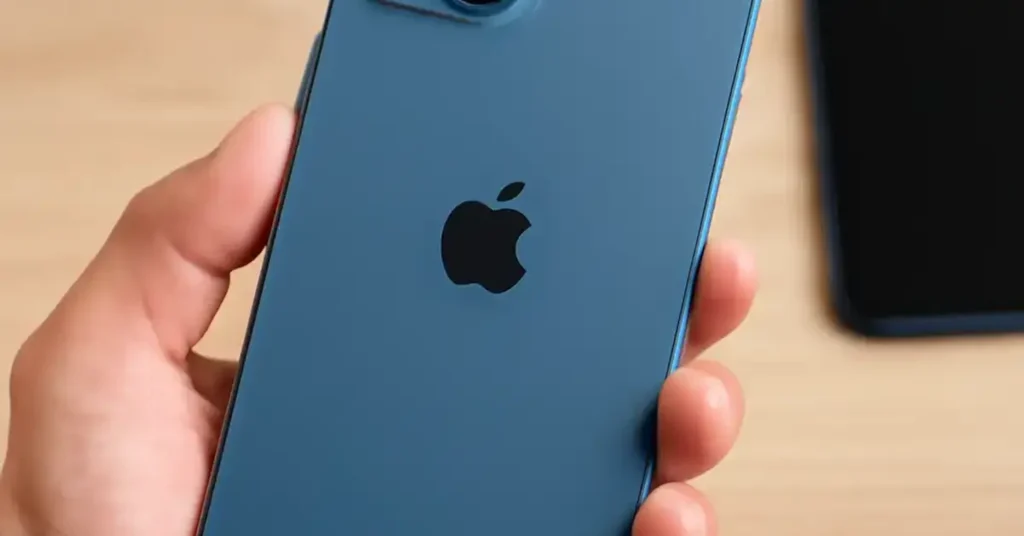
Available colors include Pink, Yellow, Green, Blue, and Black (midnight). All have a color-infused glass back that looks vibrant.
Is the iPhone 15 heavy?
At 171 grams, it is lighter than the iPhone 15 Pro (187 g) and much lighter than the Pro Max (221 g). It’s comfortable for one-handed use.
Does the iPhone 15 have an Action Button?
No, the Action Button debuted on the iPhone 15 Pro models. The standard iPhone 15 retains the mute switch.
How does the iPhone 15 compare to iPhone 16?
The iPhone 16 offers a faster A17 chip, the Action Button, a 48 MP ultrawide camera, and Wi-Fi 6E. If the price difference is less than $150, the iPhone 16 is a better long-term buy.
Is iPhone 15 good for photography?
Yes, especially for everyday photography. The main camera produces natural, well-exposed images. The lack of telephoto zoom is the main limitation for portrait photographers.
Can I use iPhone 15 without a case?
Yes, the Ceramic Shield front and aluminum frame are durable. However, the glass back can crack on impact, so a case is recommended.
Does the iPhone 15 support 5G in 2026?
Yes, it supports sub-6 GHz 5G, including carrier aggregation for faster speeds. It does not support mmWave, but that’s rarely an issue outside the US.
Is iPhone 15 storage enough in 2026?
The base 128 GB is okay for light users, but 256 GB is recommended if you shoot 4K video or install many games. 128 GB fills up quickly with apps and media.
Should I buy iPhone 15 or upgrade to iPhone 17?
If budget allows, the iPhone 17 provides a better display, faster chip, and longer support. But the iPhone 15 is a solid choice if you find a good deal and don’t need the latest features.